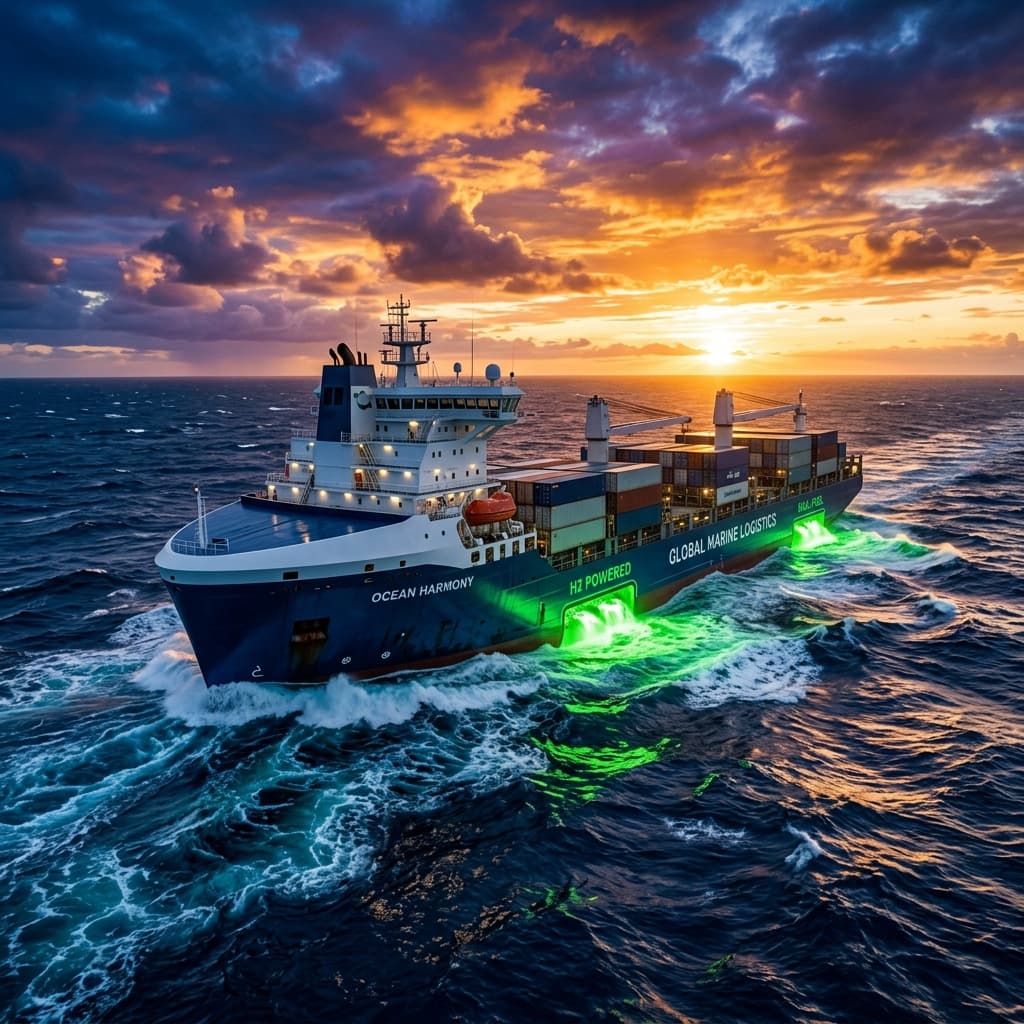
The global maritime industry is experiencing its most significant transformation since the transition from sail to steam: the search for low-to-zero carbon marine fuels. As international regulations tighten, vessel operators across Dubai and the Middle East are evaluating conversion and retrofit options to remain compliant and cost-effective.
LNG remains a mature and widely adopted transition fuel, offering an immediate 20% reduction in CO2 emissions. However, for full decarbonization, green methanol and ammonia are gaining immense traction. Methanol is liquid at ambient temperatures, making it significantly easier to store and handle compared to hydrogen or LNG. Ammonia, on the other hand, boasts zero carbon emissions but introduces toxicological and corrosive challenges that require specialized subsea valves and hermetic storage chambers.
At SEA WAY LINK, we supply authentic Tier-1 propulsion spare parts and engineering components to facilitate dual-fuel conversions. Upgrading fuel injection valves, cylinder liners, and cryogenic exhaust components is crucial for maintaining thermodynamic efficiency when transitioning to methanol or hydrogen-blended fuels. Integrating waste heat recovery systems further optimizes overall system performance, reducing fuel consumption by up to 8% in offshore supply vessels.